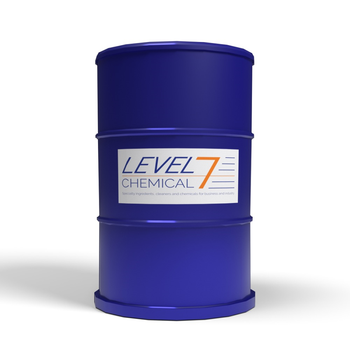



Bleach – Sodium Hypochlorite 12.5%, Standard Commercial Grade, 55-Gallon Drum
- Standard / Commercial Grade
- 12.5% Sodium Hypochlorite
- 55-Gallon Drum
- SDS & COA Available
- No Minimum Order
- No Contracts
Level 7 Chemical's standard-grade bleach is sodium hypochlorite (NaOCl) solution, CAS 7681-52-9, also called liquid bleach, chlorine bleach or hypochlorite solution. It is filled at 12.5–15.6 wt% sodium hypochlorite (sample COA: 13.43%) and stabilized with a small amount of excess sodium hydroxide. It ships in a 55-gallon drum at about 543 lb net, in 1-drum, 2-drum, 4-drum (1 pallet) and 8-drum (2 pallet) quantities. Truckload and recurring orders are quoted on request.
It is a clear, pale yellow liquid with a strong chlorine odor. Typical uses are hard-surface sanitizing, wastewater and process water chlorination, pressure washing and exterior cleaning, odor control and industrial bleaching. For drinking water treatment, choose our NSF-certified 12.5% bleach.
Typical Specifications
- Chemical name: Sodium hypochlorite solution
- Grade: Standard / commercial (not NSF certified)
- CAS number: 7681-52-9
- Formula: NaOCl
- Molecular weight: 74.44
- Sodium hypochlorite (NaOCl): 12.5–15.6 wt% (sample COA: 13.43%)
- Available chlorine: ~144 g/L at 12.5% NaOCl
- Excess alkalinity (NaOH): 0.1–2 wt%
- Appearance: Clear, pale yellow liquid (sample COA: pass)
- Odor: Pungent chlorine bleach odor (sample COA: pass)
- pH (1% solution): 12–14
- Water solubility: Completely miscible
- Specific gravity: 1.18–1.28 (sample COA: 1.202)
- Pounds per gallon: ~10.0 lb/gal (sample COA: 10.01)
- Freezing point: -4 to 3 °F (-20 to -16 °C)
- Boiling point: >230 °F (>110 °C)
- Flash point: None; does not burn (NFPA flammability 0)
- DOT shipping: Regulated – UN1791, Hypochlorite solutions, Class 8, PG III
- Net weight: ~543 lb per 55-gallon drum
Typical Uses
- Sanitizing & disinfecting – hard-surface treatment when diluted and used as the product label directs
- Wastewater & process water – chlorination, oxidation and shock treatment of non-potable water
- Pressure washing & exterior cleaning – active ingredient in house-wash and soft-wash blends for siding, roofs and concrete
- Odor control – oxidizes sulfides and other odor-causing compounds in wastewater and scrubber systems
- Bleaching – whitening and stain removal in textile, laundry and industrial processes
- Detergents & cleaners – oxidizing ingredient in industrial cleaning formulations
Check your regulations: drinking water treatment, and some food-contact and municipal uses, require an NSF-certified grade. Confirm the grade your application needs before you order.
GHS Hazard Information
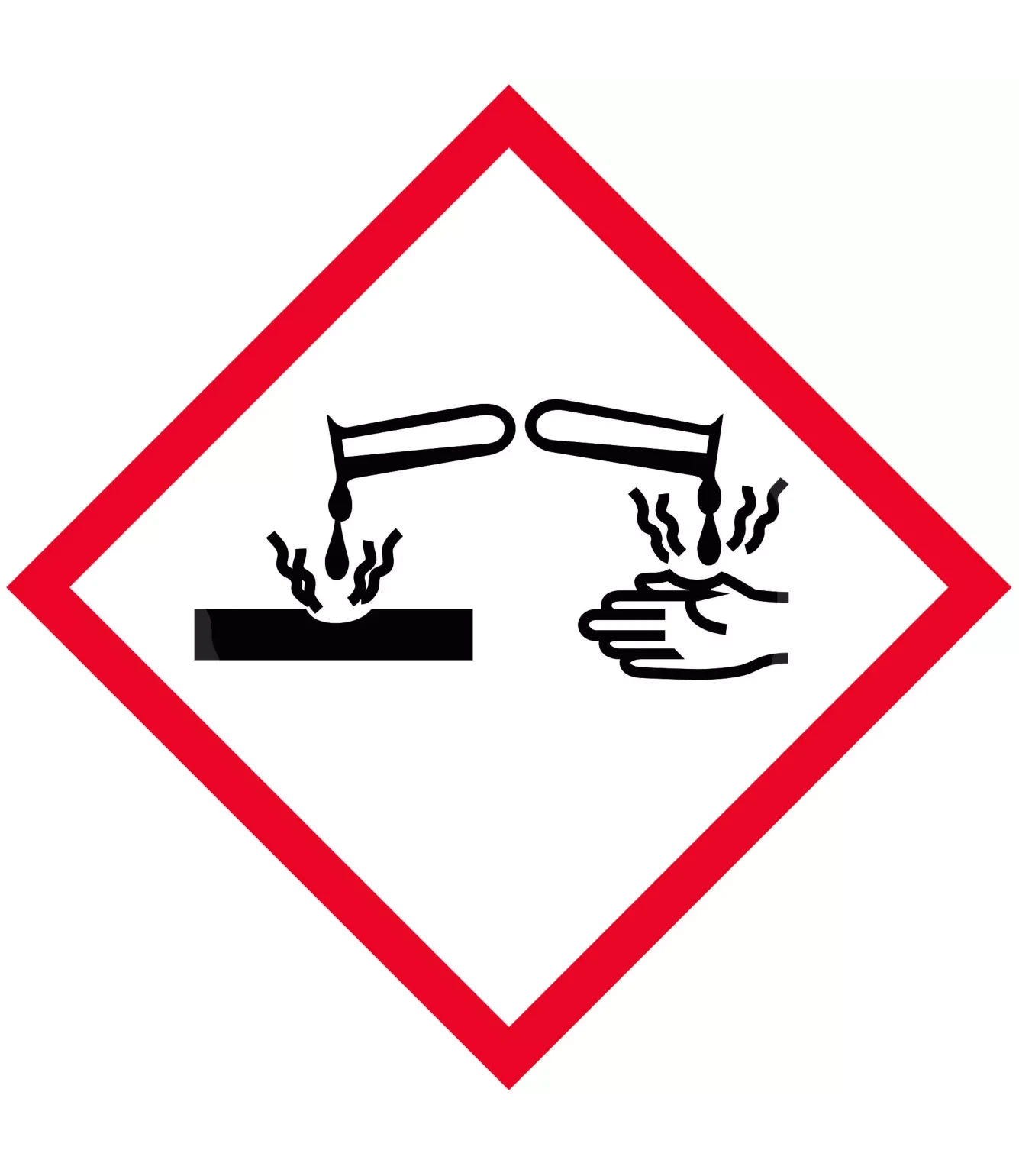
Corrosion
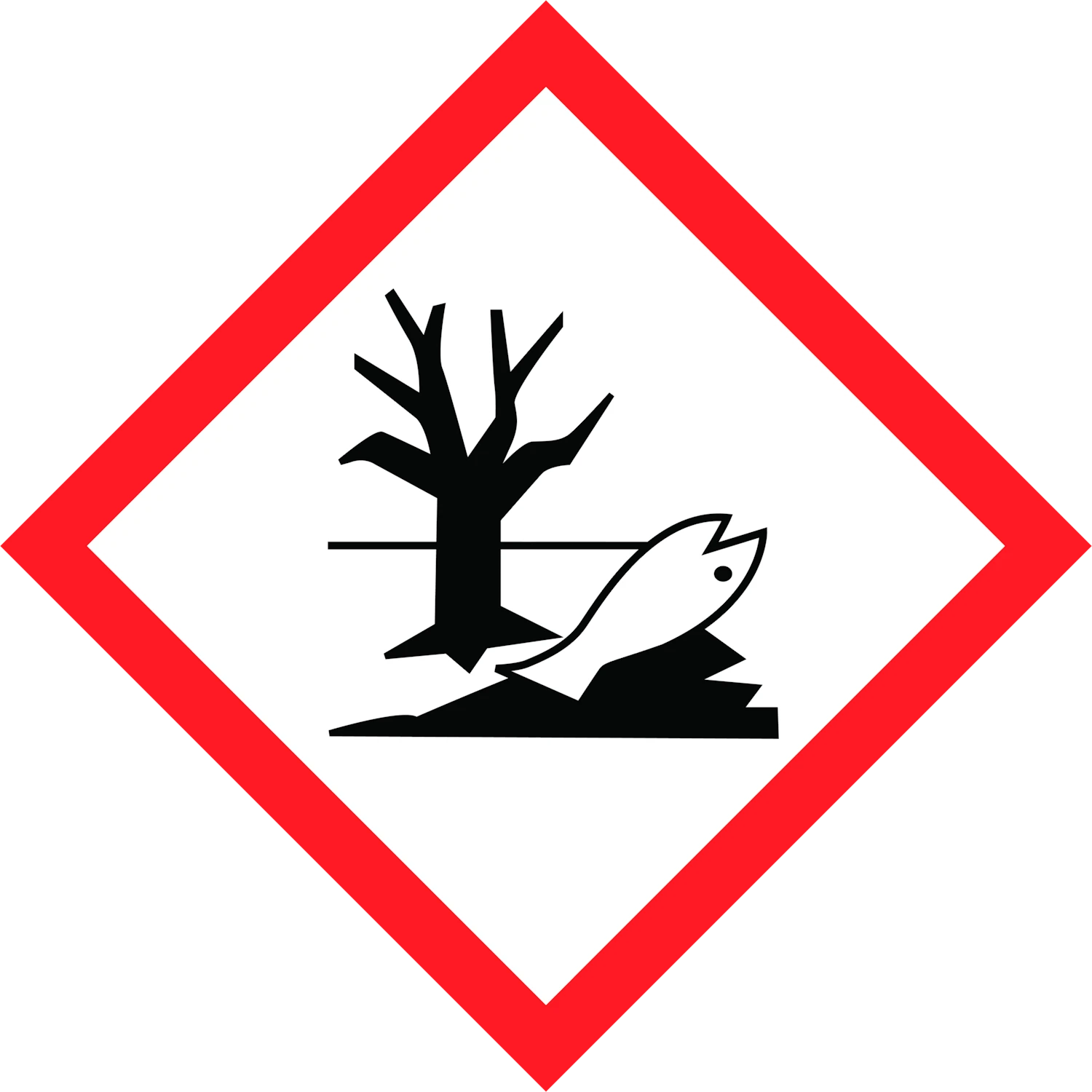
Environment
- H314 – Causes severe skin burns and eye damage
- H318 – Causes serious eye damage
- H400 / H410 – Very toxic to aquatic life with long lasting effects
- Never mix with acids or ammonia – reacts violently with strong acids and can release chlorine and other toxic gases
- Protective equipment: chemical goggles and face shield, impervious gloves and chemical-resistant clothing; keep an eyewash and drench shower in the work area
- Storage: store locked up in a cool, well-ventilated, shaded area, away from acids, ammonia, organics and metals; keep containers closed and do not return spills to the drum
- NFPA rating: Health 3, Flammability 0, Instability 1
Which Bleach Do You Need?
| Product | Grade | Package | Best for |
|---|---|---|---|
| Bleach 12.5% Standard Grade (this product) | Standard / commercial, not NSF certified | 55-gallon drum, ~543 lb net | Sanitizing, wastewater and process water, pressure washing, odor control, industrial bleaching |
| Bleach 12.5% NSF Grade | NSF certified | 55-gallon drum, ~543 lb net | Drinking water treatment and uses that require NSF certification; allow up to 2 weeks lead time |
Need a different grade or strength? We can quote NSF-certified bleach, other strengths and larger containers. Call (855) 927-1777 or request a quote.
Frequently Asked Questions
What strength is this bleach?
It is filled at 12.5–15.6 wt% sodium hypochlorite; our sample COA shows 13.43%. Like all hypochlorite solutions, it slowly loses strength over time, faster in heat and sunlight, so plan purchases around how quickly you will use it.
What is the difference between standard grade and NSF grade bleach?
Both are 12.5% sodium hypochlorite. The NSF grade is certified for drinking water treatment. The standard grade is not NSF certified, so use it where certification is not required, such as wastewater, cleaning, pressure washing and industrial processes. Check your local regulations if you are unsure.
How do I check the strength of my bleach or dilutions?
Use chlorine test strips. Our 0–10,000 ppm chlorine test strips cover stronger solutions, and our 0–1,000 ppm chlorine test strips cover typical sanitizing dilutions.
How should I store a drum of bleach?
Keep it cool, shaded and well ventilated, out of direct sun, and away from acids, ammonia, organic materials and metals. Keep the container closed and leave headspace, since hypochlorite gives off a small amount of oxygen as it ages.
What materials are compatible with sodium hypochlorite?
HDPE, PVC and CPVC are commonly used for tanks, piping and pump parts. Avoid carbon steel, stainless steel and other metals, which corrode and also speed up decomposition of the bleach.
Is this product regulated for shipping?
Yes. It ships as UN1791, Hypochlorite solutions, Class 8 (corrosive), Packing Group III, by freight.
Is there a minimum order or contract?
No. Order a single drum, 2 drums, 4 drums (1 pallet) or 8 drums (2 pallets), with no minimum and no contract.
Are an SDS and COA available?
Yes. The SDS and a sample COA are linked above, and lot-specific Certificates of Analysis are available on request.
We quote multi-pallet, full-truckload and recurring orders. Call us or request a quote and we'll get back to you fast.
Specifications are typical values and are not guaranteed for every lot; see the lot-specific COA for actual results. Prices, product availability and delivery timelines are subject to change without notice. See our Terms of Service.