

Sodium Lauryl Ether Sulfate (SLES) 70% – 2 Mol EO, Drum or Tote
- 70% Active
- 2 Mol EO
- Anionic Surfactant
- 1,4-Dioxane 10 ppm Max
- SDS & COA Available
- No Minimum Order
- No Contracts
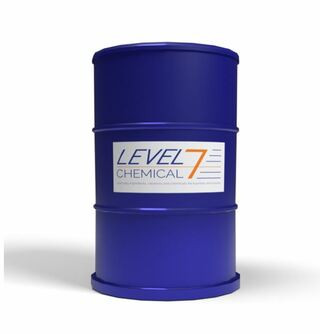
Sodium lauryl ether sulfate (SLES) 70%, also known as sodium laureth sulfate (INCI: Sodium Laureth Sulfate, CAS 68585-34-2), is a 70% active anionic surfactant ethoxylated with an average of 2 moles of ethylene oxide (EO). It is specified at 68–72% active with 1,4-dioxane held to 10 ppm maximum. It is sold in 386 lb net drums and 2,205 lb totes, in quantities of 1, 2 or 4 drums or a full tote, and larger orders are quoted on request.
SLES 70% is a colorless to off-white gel or paste that dilutes in water to make high-foaming shampoos, body washes, bubble baths, liquid hand soaps, hand dish detergents, car wash soaps and hard surface, carpet and textile cleaners. Its foam is largely unaffected by changing water hardness, and the added ether makes it milder on skin and hair than sodium lauryl sulfate. Viscosity and foam stability can be built with salt, amides or betaines.
Typical Specifications
- Chemical name: Sodium lauryl ether sulfate (sodium laureth sulfate)
- Grade: 70% active, 2 mol EO, anionic
- INCI name: Sodium Laureth Sulfate
- CAS number: 68585-34-2
- Formula: RO(CH2CH2O)2SO3Na (R = C12–C14)
- Active content: 68.0–72.0% (sample COA: 70.22%)
- Appearance: Colorless to off-white gel or paste
- Odor: Mild, characteristic
- pH (10% solution): 7.0–9.0 (sample COA: 8.64)
- Unsulfated matter: 3.0% max (sample COA: 1.00%)
- Sodium sulfate: 1.0% max (sample COA: 0.50%)
- Iron: 5 ppm max (sample COA: 2 ppm)
- Color (Klett, 5% solution): 20 max (sample COA: 1)
- 1,4-Dioxane: 10 ppm max (sample COA: pass)
- Density: 1.08 g/mL (about 8.9 lb/gal)
- Freezing point: 29.7 °F (−1.3 °C)
- Foam height (1% active, 25 °C): 148 mm initial; 145.7 mm at 5 min
- Flammability: NFPA rating 0
- Shelf life: 1 year
- DOT shipping: Not regulated (DOT, IMDG, IATA)
- Regulatory: TSCA listed or exempt; no Prop 65 chemicals
- Net weight: 386 lb drum; 2,205 lb tote
Typical Uses
- Shampoos & body washes – primary foaming surfactant in rinse-off hair and body care, usually paired with a betaine
- Bubble bath & facial cleansers – rich, dense foam that is milder on skin than sodium lauryl sulfate
- Liquid hand soap – thickens easily with salt or amides for a high-foam hand wash
- Dishwash detergents – cuts grease and holds foam in hand dishwashing liquids
- Detergents & cleaners – wetting, emulsifying and foaming power for all-purpose, floor and hard surface cleaners
- Car wash & transportation cleaners – high-foam car shampoos and prewash formulas
- Carpet, textile & wool washes – gentle detergency for fibers, upholstery and wool
- Laundry & fabric care – anionic base for liquid laundry detergents and pre-treats
- Industrial & institutional cleaners – concentrated base that performs across changing water hardness
GHS Hazard Information

Corrosion
Signal word: Danger
Causes skin irritation (H315). Causes serious eye damage (H318). Harmful to aquatic life with long-lasting effects (H412). Wear protective gloves and eye and face protection, wash thoroughly after handling and avoid release to the environment. IF IN EYES: rinse cautiously with water for several minutes and get medical help right away. Not regulated as dangerous goods for US DOT, IMDG or IATA transport.
Classification under OSHA Hazard Communication Standard (29 CFR 1910.1200). Precautionary statements, PPE and first-aid details are in the Safety Data Sheet.
Which SLES Do You Need?
| Product | Active / type | Package | Best for |
|---|---|---|---|
| SLES 70% 2 Mol (this product) | 70% active paste | 386 lb drum or 2,205 lb tote | Formulators diluting in-house; lowest freight cost per pound of active surfactant |
| SLES 30% 55 Gallon Drum | 30% active liquid | 55-gallon drum | Pourable, ready-to-blend SLES with no dilution step |
| SLES 30% 5 Gallon Pail | 30% active liquid | 5-gallon pail | Small batches, pilot runs and testing |
| Cocamidopropyl Betaine 30% | Amphoteric co-surfactant | 55-gallon drum | Pairing with SLES for milder, richer, more stable foam and viscosity |
Need a different grade or strength? If you need SLES at another activity or EO level, contact Level 7 Chemical — call (855) 927-1777 or request a quote.
Frequently Asked Questions
What is SLES 70% 2 mol?
It is sodium lauryl ether sulfate, also called sodium laureth sulfate, supplied as a 70% active paste. The lauryl alcohol is ethoxylated with an average of 2 moles of ethylene oxide (EO) before sulfation. It is one of the most widely used anionic surfactants in shampoos, body washes, dish soaps and cleaners.
What is the difference between SLES and SLS?
SLES is ethoxylated before sulfation; SLS (sodium lauryl sulfate) is not. The ether groups make SLES milder on skin and eyes, more soluble and less sensitive to hard water, while still giving high foam. That is why SLES is the usual choice for personal care and hand dish products.
How do I dilute SLES 70%?
Add the paste slowly to the water with steady stirring, not water to the paste. Warm water speeds dissolving. Between roughly 30% and 60% active, SLES forms a very thick gel phase, so move through that range quickly or dilute straight to your target strength. Many formulators make a 25–30% stock solution first. Test small batches before scaling up.
How do I thicken a formula made with SLES?
Adding sodium chloride (salt) in small steps is the most common method; too much salt will thin the formula again, so add it gradually. Amides and betaines such as cocamidopropyl betaine also build viscosity and improve foam stability.
Why use cocamidopropyl betaine with SLES?
Cocamidopropyl betaine (CAPB) is a secondary surfactant that boosts and stabilizes foam, improves texture and reduces the potential skin irritation of SLES. The SLES and CAPB combination gives a gentler, richer and more stable cleansing system and is a staple in mainstream personal care formulas.
Is SLES 70% hazardous?
Yes. In concentrated form it is classified as causing skin irritation and serious eye damage (signal word Danger), and it is harmful to aquatic life with long-lasting effects. Wear protective gloves and eye and face protection, and keep it out of drains. It is not regulated as a hazardous material for DOT shipping.
Does this SLES contain 1,4-dioxane?
1,4-dioxane is a possible trace by-product of ethoxylation. This product is specified at 10 ppm maximum, and the sample COA shows a pass. Lot-specific COAs are available on request.
Is there a minimum order, and can I buy more than one drum?
There is no minimum order and no contract. Order 1, 2 or 4 drums or a full tote online. For multi-pallet, truckload or recurring orders, call (855) 927-1777 or request a quote.
Do you provide an SDS and Certificate of Analysis?
Yes. The Safety Data Sheet and a sample Certificate of Analysis are linked on this page, and lot-specific COAs are available on request.
We quote multi-pallet, full-truckload and recurring orders. Call us or request a quote and we'll get back to you fast.
Prices, product availability and delivery timelines are subject to change without notice due to market conditions and factors beyond the control of Level 7 Chemical and our suppliers. See our Terms of Service.